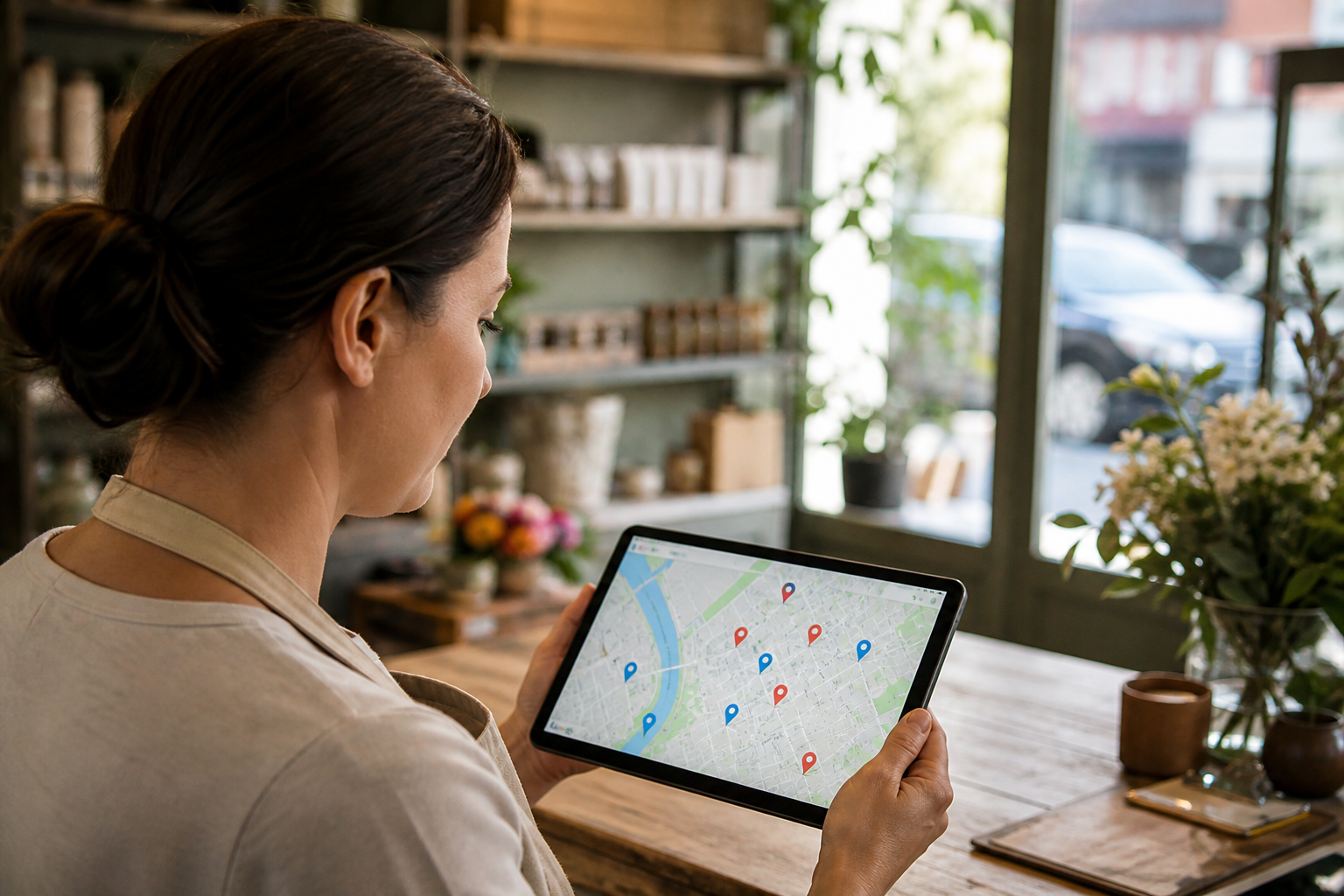
Struggling to get noticed on Google Maps? You're not alone. Many small business owners find it challenging to rank higher in local search results. However, implementing effective local search engine optimization can significantly improve your visibility and attract more local customers. In this comprehensive guide, we'll outline specific steps you can follow to elevate your business's appearance in Google Maps local pack and other search results.
Understanding the Basics of Local Search Engine Optimization
First things first: what is local search engine optimization? It’s a strategy designed to enhance your visibility in local search results, specifically in Google Maps and other local listings. Google has several ranking factors, such as relevance, distance, and prominence, which it uses to assess the relevance and authority of your business. To leverage these factors effectively, keep reading.
The Importance of Google My Business
Your Google My Business (GMB) profile is your first step toward dominating local SEO. Optimizing this profile is essential for better rankings and engagement. Here’s how:
- Complete Your Business Information: Fill out your business name, address, phone number, website, hours of operation, and category accurately. Inconsistent information can confuse customers and search engines alike, so ensure everything is precise.
- Add Photos: Upload high-quality images that showcase your products or services. Including appealing visuals can lead to more people engaging with your listing and visiting your site.
- Use Descriptions Effectively: Write a clear business description that includes relevant keywords. Aim for at least 750 characters while incorporating phrases like local search engine optimization and business SEO strategically.
Keyword Research for Local SEO
Identifying the right keywords is essential for effective local SEO. Use tools like Google Keyword Planner or Ahrefs to discover search phrases potential customers might be using. By integrating these keywords naturally into your content, titles, and GMB descriptions, you can improve your searchability. For instance, consider phrases that reflect your services along with your locality — such as Italian restaurant in Chicago. Additionally, think about variations, like best pizza in Chicago, to capture a wider audience.
Utilizing Categories and Attributes
Google allows you to select primary and secondary categories for your business. Choosing your main category wisely is crucial as it signals to Google what your business offers. For example, a bakery should select “Bakery” as the primary category. In addition to categories, utilize attributes effectively. Highlighting features such as wheelchair accessibility, outdoor seating, or delivery options can tailor your listing to your target customer demographic and improve your chances of appearing in local searches.
Engaging with Customer Reviews
Online reviews play a significant role in local search engine optimization. Engaging with feedback demonstrates good customer service and builds your online reputation. Here’s how you can handle reviews effectively:
- Encourage Reviews: After a successful service, kindly ask your customers to leave feedback. You can send follow-up emails or include links on receipts to make it easier for them.
- Respond Promptly: Always acknowledge reviews, whether they are positive or negative. Quick responses show customers you value their input and helps to build trust.
- Monitor Your Reputation: Utilize tools like GMB Ranking, BrightLocal, or ReviewTrackers to get insights into how your business is perceived online and adjust your strategy where necessary.
Local Link Building Strategies
Building local citations is another critical aspect of local SEO. This means getting your business mentioned on reputable local websites which helps in building authority and trust. Here are actionable strategies to enhance your link-building efforts:
- Join Local Business Directories: Ensure your business is listed in popular local directories like Yelp, Yellow Pages, and local Chamber of Commerce websites. This helps improve your SEO ranking by providing quality backlinks.
- Engage with Local Influencers: Collaborate with local bloggers or businesses to generate quality content that naturally includes links back to your website. Feature influencers in promotions or product releases to create buzz.
- Host or Sponsor Local Events: Involvement in community events can lead to local news coverage and backlinks from event-specific websites, enhancing your online visibility. Sponsorship provides great opportunities for brand recognition within your community.
Monitoring Your Success with Google Maps Rankings
Tracking your local search engine optimization efforts is vital for understanding your performance. Regularly monitor your Google My Business insights to analyze customer engagement with your profile. Look at how many calls, clicks, and requests for directions your listing generates. Using Google Analytics can provide further insights into how users are interacting with your website. For thorough tracking, consider utilizing tools like SEMrush or Google Analytics to pinpoint areas needing enhancement.
Avoiding Common Local SEO Mistakes
As you embark on your local SEO journey, be aware of common mistakes that can hinder your progress:
- Neglecting NAP Consistency: Ensure that your Name, Address, and Phone number are consistent across all platforms and listings. Inconsistencies lead to confusion and can harm your ranking.
- Ignoring Mobile Optimization: A large portion of local searches come from mobile devices. Ensure your website is mobile-friendly to capture on-the-go customers.
- Forgetting to Update Information: Always update your GMB listing with new information, such as changes in hours or services offered. Outdated listings can deter potential customers.
- Failing to Analyze Competitors: Research your competitors' local SEO strategies. Understanding what works for them can provide insights into enhancing your own strategy.
Follow these strategies consistently, and soon you’ll see positive results in your search engine optimization efforts. Also, make sure to stay updated by regularly reviewing Google’s algorithm changes that can impact local search rankings. By adopting a proactive approach toward local search engine optimization, your business can significantly enhance its visibility and attract more customers in your area.
See where you actually rank
GMB Ranking scans your area block by block and shows your position on the map, then tells you what to fix first. Free to start, no card needed.
Check your ranking free →